
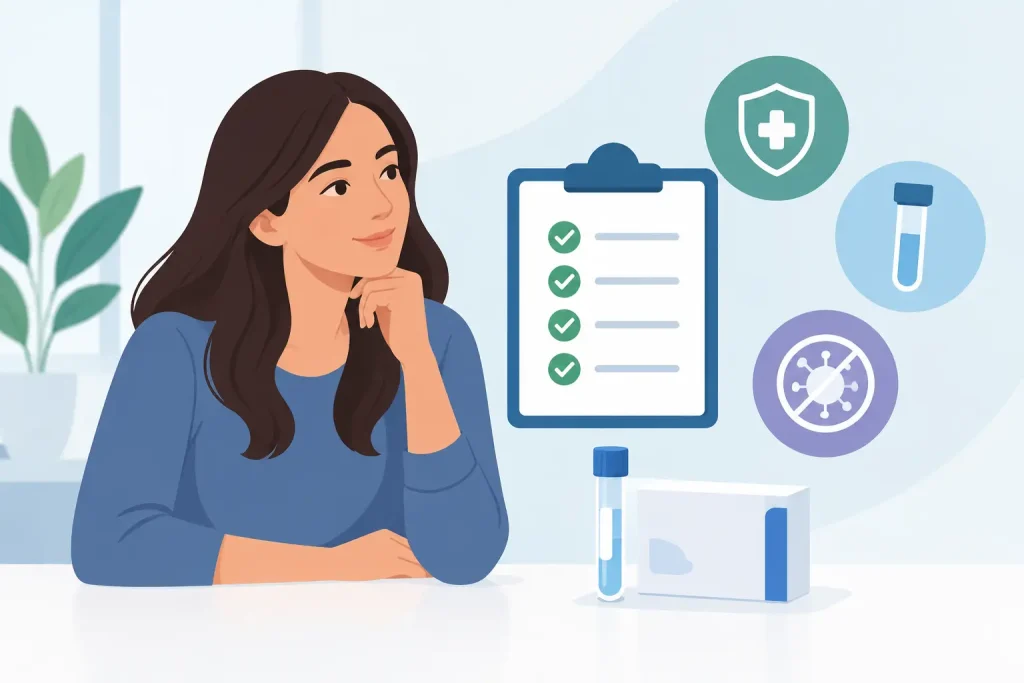
A worrying symptom, a new partner or unprotected sex can make the search for STI testing reviews feel urgent. Reviews can offer useful reassurance, but they should not be the only reason to choose a clinic. For sexual health care, the details behind the review matter: whether testing is appropriate for your exposure, how your result is explained and what happens if treatment is needed.
A five-star rating is reassuring. A clinic that provides confidential testing, clear medical advice and timely follow-up is more meaningful.
What STI testing reviews can tell you
Patient reviews are often most helpful when they describe the experience rather than simply saying a clinic was “good”. Look for repeated comments about privacy, staff professionalism, clear communication and the time taken to discuss results. These details indicate whether a clinic understands that sexual health concerns can be stressful and personal.
In Kuala Lumpur, discretion may be just as important as speed. Patients may prefer an appointment system that reduces waiting time, a private consultation room and practical access such as discreet or hidden parking. A review that mentions these points can be more useful than one focused only on location or décor.
You should also notice whether patients mention feeling listened to. STI testing is not always a straightforward blood test. The right tests depend on the type of sexual contact, the date of exposure, symptoms, previous infections and whether you have taken antibiotics recently. A good clinical experience includes questions that may feel personal, asked respectfully and for a medical reason.
Read beyond the star rating
A perfect score based on only a small number of reviews does not necessarily tell you much. Look for a consistent pattern over time. Is the clinic repeatedly described as calm, professional and confidential? Do reviewers mention prompt results and helpful explanations? Consistency is generally a stronger signal than one unusually enthusiastic comment.
It is also sensible to read critical reviews carefully. Not every negative experience means the clinical care was poor. Waiting can occasionally happen, particularly if a doctor is managing an urgent case. What matters is whether concerns about communication, billing, privacy or follow-up appear repeatedly.
Be cautious about reviews that promise certainty from a single test, claim every result is available immediately or suggest that testing can replace a consultation. Sexual health care has timing limitations. A test taken too soon after exposure can be negative even when an infection is present. A responsible clinic should explain this clearly rather than make unrealistic promises.
The questions a review cannot answer
Reviews cannot confirm whether a testing panel is medically suitable for you. “Full STI screening” can mean different things at different clinics, and more tests are not always better if they are unnecessary or difficult to interpret.
Before booking, you should be able to get clear answers about what is included. Depending on your circumstances, testing may involve urine, swabs, blood tests or an examination. Chlamydia and gonorrhoea are commonly tested from urine or swabs, while HIV, syphilis and hepatitis testing may require blood samples. If you have had oral or anal sex, a urine test alone may not detect an infection at another site.
The timing of the test is equally important. Some infections can be detected relatively soon after exposure; others have a longer window period. If your contact was very recent, a doctor may recommend testing now for certain infections and repeating selected tests later. That is not a sign that the first test failed. It is careful interpretation of how infections develop in the body.
A review is therefore no substitute for an individual assessment. It can help you choose where to go, but it cannot decide which tests you need or tell you whether a result is conclusive.
Signs of a clinic that takes privacy seriously
For many people, the main barrier to testing is not the test itself. It is being recognised, judged or having sensitive information handled carelessly. A professional sexual health clinic should treat confidentiality as part of clinical care, not as an optional extra.
When comparing clinics, consider how they manage appointments, registration, consultations and results. You may want to ask whether your consultation is private, how results are sent, who can access them and whether you can speak directly with a doctor. The process should be clear before you commit to testing.
Privacy should never mean being left on your own with a result. Online or rapid testing may suit some people, particularly when access is difficult, but a positive result can raise urgent questions. What does it mean? Is treatment needed? Should your partner be tested? When is it safe to have sex again? Clinics that offer direct medical interpretation can address these questions promptly and without judgement.
Fast results matter, but accuracy matters more
Many STI testing reviews mention turnaround time, and understandably so. Waiting for results can be difficult, especially if you are worried about a partner or have symptoms. Results within 24 hours can be valuable when the right tests are used and a clinician is available to explain the outcome.
However, speed should not be confused with certainty. The most appropriate test may take longer, and a fast negative result does not always rule out a recent infection. Ask when results are expected, whether you will receive all results at the same time and whether the clinic will explain any need for repeat testing.
If you have symptoms such as discharge, genital sores, a rash, pain when passing urine, pelvic pain or testicular pain, do not wait for an online review to make the decision for you. Symptoms need a proper assessment. Some infections are easier to diagnose while signs are present, and some symptoms can have causes that are not sexually transmitted.
Look for specialist-led follow-up
The most useful reviews often describe what happened after testing. A clinic’s role should not end when a laboratory report is issued. If an infection is identified, you need a clear treatment plan, advice on avoiding transmission and guidance on whether recent partners should be informed or tested.
Specialist-led care is particularly helpful where results are borderline, symptoms do not match the result, infections recur or there has been a recent high-risk exposure. The doctor should explain the result in plain language, including what it does and does not mean. You should leave knowing the next step.
At Klinik Bangsar South, patients receive private STI screening and one-to-one guidance from experienced doctors, with rapid diagnostics and results commonly available within 24 hours. The clinic has carried out more than 50,000 tests over 12 years, but each consultation still needs to be tailored to the individual exposure and concern.
A practical way to use reviews before booking
Use reviews to narrow down clinics that appear respectful, discreet and organised. Then check the medical essentials directly. Confirm what tests may be suitable, whether the timing is right, how much the consultation and tests cost, when results are expected and how follow-up is handled.
Be honest about your exposure when speaking to the clinic. You do not need to feel embarrassed. Doctors who work in sexual health discuss these situations every day, and accurate information helps them select the right tests. Mention any symptoms, the date of contact, the type of sex involved, condom use, recent treatment and whether a partner has received a diagnosis.
If a review helps you feel comfortable making the appointment, it has done its job. The next valuable step is a private conversation with an experienced clinician who can replace uncertainty with clear, personal medical advice.